

Welcome to the Orgasm Enhancement Series! In this first post, we’ll explore the anatomy of your vulva—an essential step in understanding your body’s response to pleasure.
As a pelvic floor physical therapist, I know how vital it is to understand and care for your body, especially when it comes to sexual health and pleasure. A pelvic floor PT plays an essential role in helping you strengthen and relax the muscles involved in sexual function, which can improve orgasmic experiences and address issues like pain or discomfort.
When it comes to sexual pleasure, understanding your body is key. One of the most important aspects of your sexual health is knowing the anatomy of your vulva. This knowledge not only empowers you to explore your own body but also helps you understand how your body responds to stimulation, paving the way for better orgasms.
What is the Vulva?
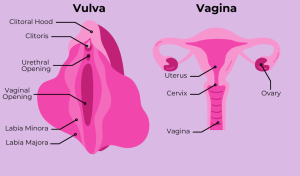
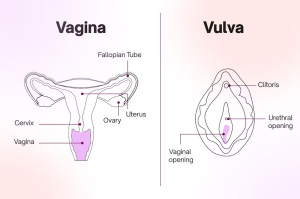
First, let’s clear up a common misconception: the vulva is not the same as the vagina. The vagina refers to the internal canal, while the vulva is the external part of your genitalia. The vulva includes several key structures that contribute to sexual pleasure. Let’s take a look at each one and understand how they play a role in your overall sexual health.
1. The Clitoris: The Queen
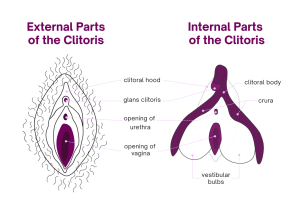
The clitoris is the queen. It is the most sensitive part of your vulva and arguably the key player in sexual pleasure. It’s packed with nerve endings—about 8,000 of them, in fact—which makes it far more sensitive than the penis. The clitoris isn’t just the visible part you can see and touch (the glans); it extends inside the body as well, surrounding the urethra and vaginal canal. This hidden part is just as important when it comes to pleasure. When stimulated, it can lead to powerful orgasms.
2. The Labia: More Than Just a Covering
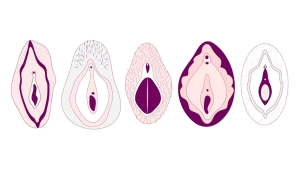
The labia, or lips, are the folds of skin surrounding the vaginal opening. There are two sets: the labia majora (outer lips) and the labia minora (inner lips). The labia majora is typically larger and fleshy, while the labia minora can vary greatly in size and appearance from woman to woman. These areas are highly sensitive and contain many nerve endings. The labia can also be a key part of arousal, as stimulation through kissing, caressing, or gentle pressure can feel incredibly pleasurable.
3. The Vaginal Opening: Where Everything Begins
Just inside the labia is the vaginal opening, which leads to the vagina. While the vagina itself is often the focus in discussions about sex, the vaginal opening is actually a sensitive area too. For many women, the outer third of the vagina is the most sensitive and contains more nerve endings. During sexual arousal, the vaginal opening becomes lubricated, which helps reduce friction during intercourse and enhances pleasure.
4. The G-Spot: The Mystery
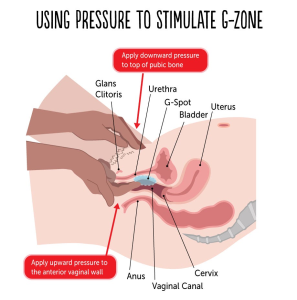
The G-spot, or Grafenberg spot, is an area located inside the vagina, about 1-3 inches on the front wall. It's often touted as a key zone for stronger orgasms, but it varies from person to person. For some women, stimulating the G-spot leads to intense pleasure and a different type of orgasm, sometimes described as a "deep" or "internal" orgasm. For others, the G-spot is less sensitive, and the clitoris may remain the primary source of pleasure.
5. The Anal Sphincter: Unlocking Pleasure in an Unexpected Area
I know it is taboo but the anal sphincter is a highly sensitive area that plays a significant role in sexual pleasure for many people. Located around the anus, the anal sphincter consists of muscles that control the opening and closing of the anus. While this area may not be the first thing that comes to mind when thinking about sexual pleasure, it’s important to note that it contains numerous nerve endings that can contribute to arousal.
For some, stimulating the anal sphincter can enhance sexual pleasure, especially when combined with vaginal or clitoral stimulation. Gentle pressure or massaging around the area can elicit pleasurable sensations and it can help intensify orgasms. The key to enjoying this type of stimulation is relaxation and consent, as the anal sphincter muscles need to be relaxed in order to fully enjoy the sensations without discomfort.
Why Does Understanding This Matter?
Knowing the pleasure zones is important for a few reasons. First, it helps you become more comfortable with your body, which is crucial for unlocking sexual pleasure. Understanding where and how your body responds to touch can empower you to explore and experiment in ways that make you feel good. Second, if you experience pain during orgasm or sexual activity, knowing the anatomy of your vulva allows you to pinpoint potential sources of discomfort and address them.
Stay tuned for Part 2, where we’ll dive into why painful orgasms occur and how to address them for more pleasure!