
Pregnancy is an exciting time, but it can also bring physical discomfort. One of the most common complaints among expectant mothers is low back pain. As your body goes through changes to accommodate the growing baby, it can put extra strain on your back, causing discomfort. Understanding some basic anatomy can help you better manage this pain.
Understanding the Anatomy of Pregnancy
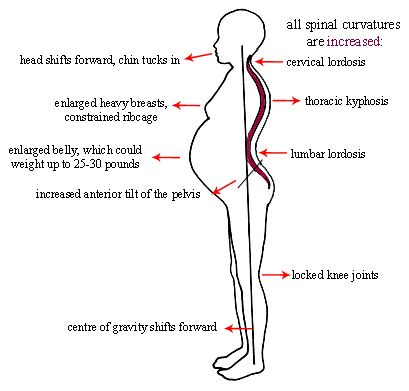
During pregnancy, the body's center of gravity shifts forward as the baby and breasts grows, placing additional strain on the lower back. The pelvis and lower spine bear much of this weight, leading to discomfort. The muscles supporting the spine work harder to maintain posture. As the belly grows, it can cause an exaggerated curve in the lower back, which contributes to the pain many women experience.
Here’s a helpful illustration showing how the pelvic and lower back anatomy changes during pregnancy. As your body grows, these anatomical shifts put extra pressure on the muscles, ligaments, and spine, leading to low back pain.
1. Practice Proper Posture
Good posture can make a significant difference in managing low back pain. As your pregnancy progresses, your center of gravity shifts forward, which can cause you to arch your lower back more than usual. To counteract this, stand tall with your shoulders back, keep your pelvis neutral, and avoid slouching. When sitting, choose chairs with good lumbar support and keep your feet flat on the floor. Try having movement variability which means if you have been standing too long, time to sit and vice versa!
2. Strengthen Your Core and Pelvic Floor Muscles
A strong core and pelvic floor can help support your spine and alleviate back pain. Exercises like pelvic tilts and bird dogs (on hands and knees, extending one arm and the opposite leg) can strengthen these muscles, providing better support for your growing belly. Always consult with a pelvic floor physical therapist before starting new exercises during pregnancy.
3. Use Pregnancy Pillows for Support
A pregnancy pillow can provide the support needed to reduce strain on your back while sleeping or resting. These pillows are designed to support your growing belly, hips, and lower back, helping to keep your spine aligned while you sleep. Opt for a full-body pillow or a wedge pillow to place under your belly or between your knees and ankles to help alleviate pressure on your lower back.
4. Wear a Maternity Belt
A maternity belt can offer excellent support for your growing belly and reduce the strain on your lower back. It works by redistributing some of the weight from your abdomen to other parts of your body, alleviating pressure on your spine and improving posture. Many maternity belts are adjustable, so you can find a comfortable fit as your belly grows. Wearing a maternity belt while standing or walking can provide much-needed relief from low back pain.
5. Start A Stretching Routine
Stretching exercises can help improve flexibility and reduce tension in the muscles surrounding your lower back. Focus on stretches that target the hips, lower back, and hamstrings, as tightness in these areas can contribute to back pain. Postures such as cat-cow stretches, child’s pose, and pelvic tilts can help promote spinal alignment and reduce discomfort.
Bonus Tip: Seek Professional Help
If low back pain persists or becomes severe, consider consulting with a pelvic floor physical therapist. A physical therapist can help assess your posture, movement patterns, and strength, providing personalized strategies to manage pain and improve your overall comfort during pregnancy.