
Preparing your pelvic floor for labor is a great way to improve your labor experience. The goal of pelvic floor prep is to promote an easier birth experience and quicker recovery. This preparation helps your body move through the birthing process with more ease and confidence.

Understanding the Pelvic Floor’s Role in Labor:
Day to day the pelvic floor muscles support your uterus, bladder, and bowel. During labor, they need to stretch and relax to accommodate the baby’s descent. A well-prepared pelvic floor can help minimize tearing and reduce discomfort during delivery.
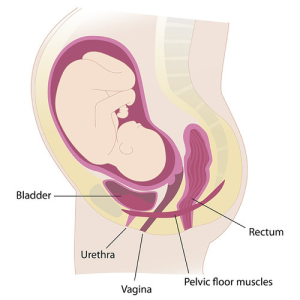
Breathing Techniques:
Breathing exercises can help you relax and engage the pelvic floor muscles. There are different breathing techniques that can be used during labor
Try the diaphragmatic breath—inhaling deeply through your nose, allowing your belly to rise, and then exhaling slowly through your mouth or nose. This helps relax the pelvic floor and encourages full body relaxation, especially during contractions or what some refer to as surges. If you inhale for 4 seconds, exhale for 8 seconds, for a total of 4 times, you will have completed a surge.
Patterned Breathing is also common during active labor. This breath uses a rhythmic, quick breath (like "hee-hee-hoo") to help manage surges.
Some women, like me, found groaning during surges to be helpful. Inhaling followed by a low tone groan/moan/roar is a great way to keep your pelvic floor relaxed while using the immense power you feel during that moment to your advantage.
Perineal Massage:
Perineal massage is a technique used in the weeks leading up to labor to help stretch the pelvic floor muscles. This can reduce the likelihood of severe tearing during delivery especially in first time moms.
Use gentle pressure with a pelvic wand (CODE: INEZ for $5 off) or have your partner perform this on you while breathing deeply and relaxing. It will feel a bit uncomfortable and you may experience a burning sensation (pelvic floor stretching!) that is normal and a great opportunity to practice your breathing techniques. I would highly recommend learning this technique with a pelvic floor physical therapist.
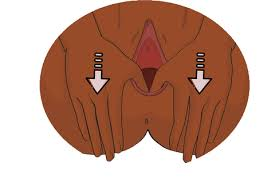
Pelvic Floor Stretches for Labor:
Stretches like a deep squat, child's pose, and a deep lunge are great to perform daily during pregnancy to prepare your pelvic floor for labor.
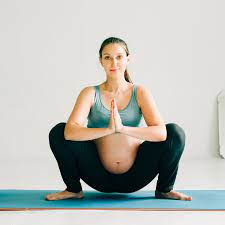
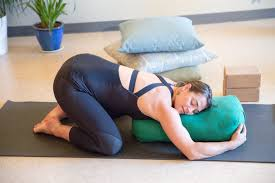
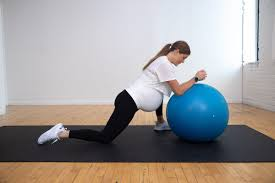
These movements can improve your body’s ability to open up during labor. There are so many other movements that can be beneficial before and during labor.
I highly recommend seeking guidance from a pelvic PT. It is so worth it!